


More than just an ideal, social inclusion is a basic human right enshrined in the Universal Declaration of Human Rights and other international laws. It ensures equal opportunities to:
- Access education and training,
- Secure fair employment,
- Have a safe and stable home,
- Utilise healthcare, public transport, and essential services,
- Connect with family, friends, and the broader community,
- Overcome personal crises such as ill health, and
- Be heard and influence decisions that affect them.
Without social inclusion, the opposite – social exclusion – occurs, where individuals are restricted from participating fully in society. By prioritising the importance of social inclusion, we create a more equitable and compassionate world where everyone can thrive.
Inclusion also enriches society. Embracing diverse perspectives fosters growth, innovation, and informed decision-making. It helps us adapt and evolve, ensuring progress that benefits everyone.
It’s important to differentiate inclusion from integration. Integration often isolates individuals with disabilities in specialised settings, limiting their participation in society. True inclusion guarantees equitable outcomes in education, employment, and social settings, enabling all individuals to live meaningful lives as valued community members.
Inclusion is not just a human right—it’s key to building a compassionate society where everyone can reach their full potential.
Physical Accessibility Issues
One of the main challenges to social inclusion is the lack of accessibility in physical and technological environments. Inaccessible buildings, transportation, and communication methods limit people with disabilities from participating in community life. Many public spaces don’t follow universal design principles, preventing full participation in social, educational, employment, and recreational activities.
For true inclusion, accessibility must be a minimum standard. People with disabilities should be able to navigate their environments without difficulty. Affordable transport and accessible technologies are vital to bridging this gap.
Prejudice and Societal Attitudes
Deeply ingrained prejudice and societal attitudes continue to marginalise people with disabilities. Stereotypes and misconceptions perpetuate discrimination and reinforce the idea that disability is a limitation rather than a form of diversity. These attitudes contribute to the exclusion of individuals in all facets of life, from education to employment and healthcare.
Lack of Awareness or Understanding
A significant barrier to inclusion is the lack of understanding about disability and the challenges individuals face. Inadequate training and education about disability in schools, workplaces, and communities contribute to environments that exclude rather than embrace people with disabilities. Without awareness, individuals are denied opportunities for equitable treatment and meaningful participation in society.
Educational Segregation and Inequality
Education is one of the earliest and most impactful arenas for social inclusion, yet many systems fail to provide inclusive models. Segregated education settings isolate students with disabilities, perpetuating negative stereotypes and denying them the chance to interact with peers without disabilities.
This separation has long-term consequences, including poorer educational outcomes and a lifetime of exclusion. Without inclusive education, students with disabilities miss the opportunity to form friendships, develop social skills, and achieve a sense of belonging that is critical to overall well being.
We believe that everyone should have the opportunity to access the community, engage in educational, recreational, and social activities, and participate in all aspects of life without barriers. BJ Care Services ensures that physical environments, including our facilities and community spaces, adhere to universal design principles, making them fully accessible. We also advocate for affordable, accessible transport to enable individuals to attend events and appointments without limitations.
Person-Centred Support Plans
Our approach to support is personalised, recognising that every individual has unique needs, interests, and goals. We collaborate with participants to create tailored support plans that empower them to live independently and engage meaningfully with their communities. By focusing on individual strengths and abilities, we promote dignity, respect, and autonomy while helping participants build the skills and confidence needed for social inclusion.
Educational Integration
At BJ Care Services, we support inclusive education for all individuals. We work closely with schools, educators, and families to ensure students with disabilities are fully included in their educational settings. We aim to eliminate the barriers that can isolate students with disabilities and ensure that they have the opportunity to interact with peers, form friendships, and participate in a wide range of academic and extracurricular activities. Inclusive education models foster greater understanding, respect, and acceptance among all students, contributing to a more inclusive society as a whole.
Community Engagement and Social Connections
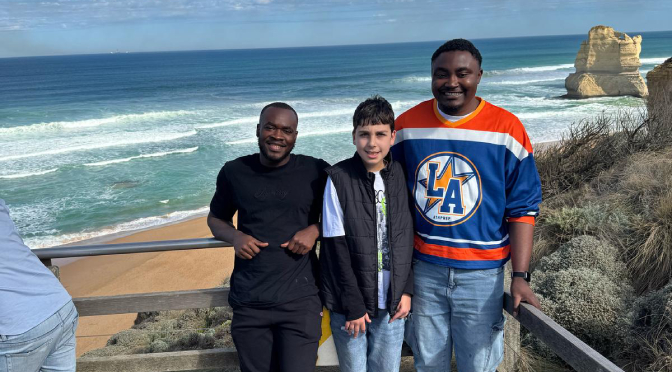
Social inclusion is about more than just physical access; it’s about fostering a sense of belonging. BJ Care Services organises regular community outings, social activities, and events that encourage participants to connect with others, build friendships, and be an active part of their local communities. Whether it’s through group outings, volunteer opportunities, or creative workshops, we ensure that our participants have the chance to engage in activities that foster a sense of connection, joy, and belonging.
Challenging Prejudices and Raising Awareness
At BJ Care Services, we actively work to challenge societal attitudes toward disability. We engage in awareness campaigns that promote the value of diversity and educate the broader community about the importance of inclusion. By fostering understanding, empathy, and respect, we help to shift perceptions and create a more welcoming environment for individuals with disabilities. Our outreach efforts also provide opportunities for participants to share their stories and experiences, further breaking down stereotypes and fostering greater social integration.
We’ll continue to build partnerships with schools, employers, community organisations, and government bodies to create inclusive environments. Innovation in accessibility will remain a priority, ensuring physical and digital spaces are fully accessible. Changing societal attitudes is key, and we are committed to fostering conversations that promote respect, empathy, and understanding of people with disabilities.
Expanding employment opportunities is central to our vision, as we advocate for inclusive hiring and accessible workplaces. We’ll also focus on enhancing community engagement through social events, volunteer programs, and outreach, creating a strong sense of belonging. Together with our partners, participants, and the broader community, we will continue making inclusion a reality and ensuring everyone can thrive.
