Supporting children with behaviours of concern, especially those with disabilities, requires an individualised approach. This approach should address each child’s unique needs and emotions. Creative activities are a powerful tool for helping children express themselves. They also build social and emotional skills and help manage challenging behaviours. Caregivers, educators, and therapists working with children with disabilities can use creative outlets. These outlets provide a safe, engaging way for children to thrive.
Creative activities offer more than just entertainment. They play a vital role in a child’s development and emotional well-being. This is especially true for children with disabilities. These activities foster positive behaviours, boost self-esteem, and create a sense of accomplishment. They also help children process complex feelings in a fun, constructive way.
1. Art and Craft: A Therapeutic Space for Expression
Art allows children with disabilities and behaviours of concern to channel their emotions and thoughts creatively, helping them make sense of their experiences. Children who struggle to communicate verbally, especially those with autism or speech delays, can express complex feelings through art, such as drawing, painting, or sculpting. According to Positive Psychology, art therapy provides children with an outlet for self-expression, allowing them to process emotions in a non-verbal, non-threatening way.
For example, a child with autism might find comfort in creating a calming visual, such as a picture of a favourite place or a drawing representing their emotions. This process not only promotes self-regulation but also helps them develop a stronger connection to their emotions, an important step for children who may have difficulty verbalising their feelings.
Art and Craft: A Therapeutic Space for Expression | Creative Activities for Children with Behaviours of Concern
2. Role-Playing: Building Social and Emotional Skills
Role-playing games are an excellent way for children with disabilities and behavioural concerns to practise social skills and learn to navigate everyday interactions. Children with developmental disabilities, such as Down’s syndrome or ADHD, may face challenges in understanding social cues and emotions. Through role-playing, they can better understand the emotions and reactions of others. Neurolaunch emphasises the role of role-playing in enhancing emotional intelligence and empathy.
For example, a child with ADHD may benefit from practising how to ask for help or negotiate with peers during a role-playing scenario. By acting out situations like a visit to the doctor or a school interaction, they gain the skills needed for real-life situations, boosting their confidence and reducing anxiety.
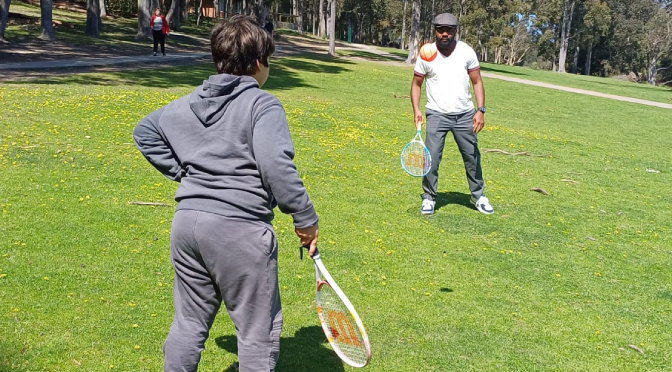
Celebrating creativity, connection, and the joy of inclusive activities for children with unique needs.
3. Mindfulness and Relaxation: Calming the Mind and Body
Mindfulness activities help children with disabilities and challenging behaviours remain calm and self-aware. Children with conditions like autism spectrum disorder (ASD) or sensory processing disorder (SPD) often have heightened sensory sensitivities or experience emotional dysregulation. Activities such as deep breathing exercises, guided imagery, and gentle yoga can help children slow down and regain control of their feelings. Research from Brain Balance Centres highlights the impact of mindfulness in reducing impulsivity, anxiety, and frustration—common triggers for challenging behaviours.
A simple mindfulness activity for a child with sensory sensitivities might involve sitting quietly while listening to calming music, followed by deep breathing exercises. This helps them feel grounded, centred, and more able to manage sensory overload or emotional outbursts.
4. Movement and Dance: Releasing Energy in a Positive Way
Physical activity is an essential outlet for children with disabilities, as it helps them burn off excess energy and focus on positive movement. Dance, stretching, or even a simple game of tag can help children improve their motor skills, boost their mood, and reduce restlessness. Storybook App suggests that engaging children in physical activities can also help them channel energy that may otherwise manifest as disruptive behaviour.
For example, a child with cerebral palsy may benefit from assisted dance or guided physical movement that helps them improve coordination while having fun. These activities promote physical development while allowing children to focus on movement rather than negative behaviours.
5. Interactive Storytelling: Navigating Emotions and Situations
Storytelling offers a powerful way for children with disabilities to explore emotional situations and practise problem-solving. Through interactive storytelling, children can role-play characters and work through different scenarios. As Merakilane points out, stories can serve as a mirror for children’s emotions, helping them recognise and manage their own feelings.
For children with learning disabilities, such as dyslexia or other cognitive challenges, interactive storytelling helps them engage with the material in a more meaningful way. After reading a story about a character who faces a challenge, children can be asked how they would respond in a similar situation. This encourages critical thinking and emotional processing while improving their comprehension skills.
A moment of imaginative play, fostering creativity and focus.
6. Group Activities: Enhancing Social Connections
Group activities offer children with disabilities the chance to develop social skills and experience cooperation. Cooperative games, team-building exercises, and shared tasks teach children collaboration, patience, and communication. BeHaven Kids highlights how group activities help children work together to achieve a common goal. This improves social interactions and behaviour.
One example is a group puzzle activity. Each child contributes a piece of the puzzle. This practice helps them take turns, follow instructions, and work as part of a team. It also enhances their social skills.
Moments of friendship and shared adventures
7. Using Technology: Reinforcing Positive Behaviour
Technology can be a useful tool for children with disabilities when applied correctly. Apps that reward children for good behaviour or completing tasks provide immediate positive reinforcement. According to Parents Ways, children can be motivated by rewards like points or badges. This helps build positive habits.
For children with learning disabilities, apps can improve literacy, numeracy, or problem-solving. These apps engage children while teaching essential skills. For example, a child with ADHD can benefit from an app offering short, focused tasks. The app rewards the child for completing each task, helping them build positive reinforcement strategies.
Technology can be a useful tool when applied correctly for children with disabilities
Nurturing Positive Behaviours Through Creativity
Creative activities play an essential role in supporting children with disabilities and behaviours of concern. Engaging in art, role-play, mindfulness, physical movement, storytelling, and group-based tasks can help children develop valuable life skills. These activities also reduce challenging behaviours and improve emotional well-being. Consistency is key. Incorporating these activities into daily routines creates a positive, supportive environment where children can thrive.
Ready to Get Started?
If you’re looking for more ways to help children with disabilities and behaviours of concern engage creatively, explore a variety of activities tailored to their interests and needs. Whether it’s a quiet art session, an energetic dance party, or a role-playing game, these activities can be powerful tools in guiding children towards positive behaviour and emotional growth.